


15 Animals That Start With X (w/ Photos, Facts & Pronunciations)
15 Animals That Start With X (w/ Photos, Facts & Pronunciations)
Teaching the letter X can be tough, but that’s where the fun begins.
Why stick to “x-ray” or “xylophone” when you can explore real animals that start with X? This engaging list introduces 15 unique creatures with pronunciations, fun facts, and science tie-ins.
Use it to build vocabulary and connect lessons across phonics, geography, and biology. Let’s turn a tricky letter into a classroom favorite!
An Extraordinary List of Animals That Start With X for Your Classroom
From African deserts to ancient seas, animals that start with the letter "x" are diverse.
This list includes mammals, birds, dinosaurs, and even a freshwater fish found in the Amazon. You’ll explore the xoloitzcuintle, the leopard-spotted bony fish, and more. Each one offers rich material for science, geography, and language lessons.
Ready to spark some curiosity? Let’s dive in.
1. Xoloitzcuintli
Pronunciation: shoh-loh-eats-QUEENT-ly
Meet the Xoloitzcuintli, a legendary Mexican hairless dog with over 3,000 years of cultural history.

The Aztecs and Mayans thought the xolo led souls to the afterlife. It exists in three weights, from 9 to 55 pounds.
Quick cultural hook coming right up: this xoloitzcuintle was an official symbol of Mexico City in 2016. Just what you need to tie together history and animal names.
2. Xenops
Pronunciation: ZEN-ops
Xenops is a tiny bird from the tropical rainforests of Central and South America.
It uses its wedge-shaped bill to chip bark and find insects, often climbing tree trunks like a woodpecker.
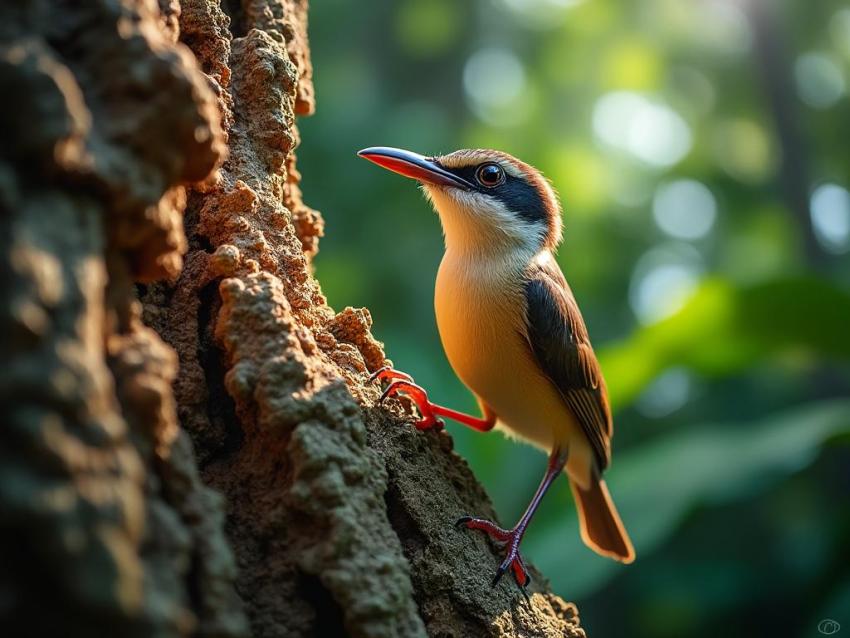
Weighing just 12 grams, this small bird is easy to overlook but hard to forget.
The name means “strange face,” a fun detail your students will love learning.
3. Xerus (Ground Squirrel)
Pronunciation: ZAIR-us
The xerus is a type of ground squirrel found in central Africa, measuring 22–26 cm in body length. These African ground squirrels are active during the day, live in groups, and dig burrows to stay safe in dry environments.
Their most clever trick? When the sun is too hot, they lift their bushy tails like umbrellas.
You can use the xerus to teach survival strategies.
4. X-ray Tetra
Pronunciation: EKS-ray TET-ra
The x-ray tetra is a small freshwater fish found in the Amazon River basin. Its translucent body gives it a ghost-like appearance, and you can even see its spine.
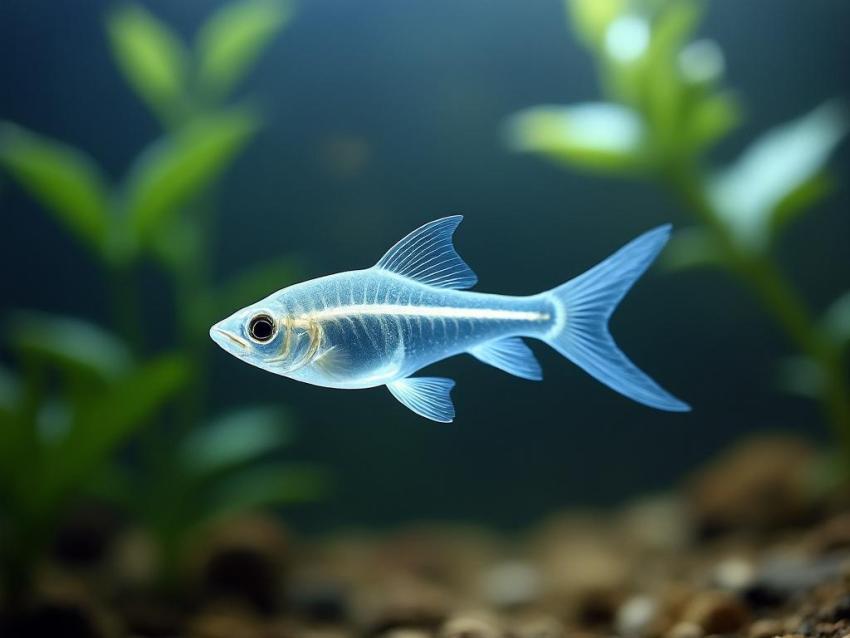
That clear skin? It acts as built-in camouflage, helping the small fish avoid predators in murky waters.
Want a peaceful classroom pet or an eye-catching science example? The X-ray Tetra delivers both in one fascinating package.
5. Xiphactinus
Pronunciation: zif-ACK-tin-us
Meet the Xiphactinus—a giant, extinct leopard-spotted bony fish that once ruled the seas.
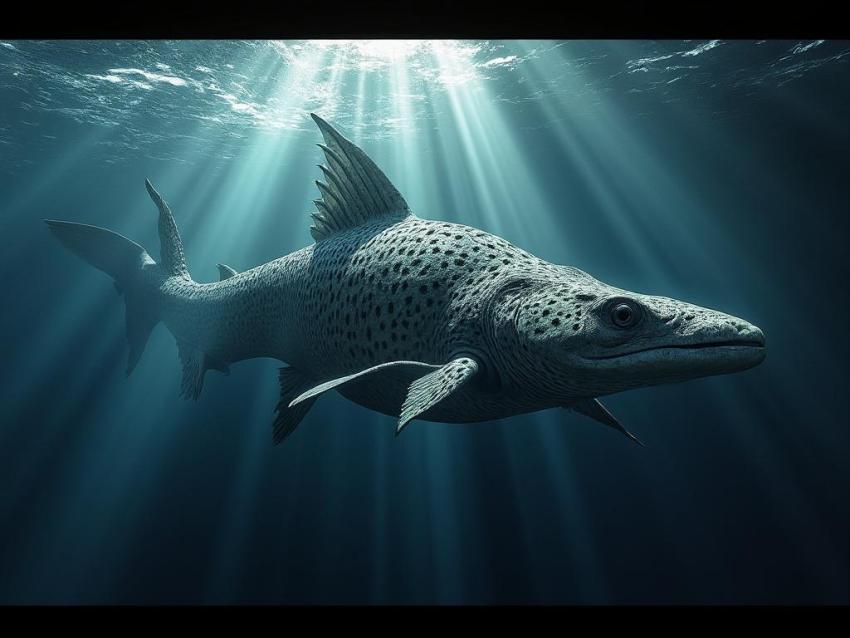
This predator from the Late Cretaceous could grow over 20 feet long. One fossil even revealed a 6-foot small fish inside its stomach, swallowed whole. Its name means “sword ray,” a perfect match for its fierce reputation.
Want to hook your students’ attention? This prehistoric powerhouse will do the trick.
6. Xenoceratops
Pronunciation: ZEE-no-SARE-ah-tops
Xenoceratops was a horned dinosaur that roamed Earth 78 million years ago. It was one of the earliest large-bodied ceratopsids.
It grew up to 6 meters long and had a giant frill, two sharp spikes, and a parrot-like beak for chewing plants.
 Its name means “alien horned-face,” making it a great hook for teaching prehistoric animal names.
7. Xantus’s Hummingbird
Pronunciation: ZAN-tus-iz
Xantus’s Hummingbird is named after Hungarian zoologist John Xantus de Vesey. It lives year-round in Baja California, unlike most hummingbirds that migrate.
Covered in green feathers with a bold eye stripe and black mask, it’s easy to spot.
But what truly makes it stand out? It's tongue. Long and specialized, it allows this hummingbird to sip nectar, making it a key pollinator in coastal and desert environments.
8. Xenarthra
Pronunciation: zen-AR-thra
Xenarthra is a group of mammals that includes armadillos, tree sloths, and anteaters. The name means “strange joints” because of their unique spinal features.
They first appeared in South America around 65 million years ago. They move slowly and have low metabolic rates. Unlike many animals, they can survive on low-energy diets like leaves and insects.
Want to teach adaptation and evolution? Start here.
9. Xantus’s Murrelet
Pronunciation: ZAN-tus-iz MUR-let
This little sea bird may appear humble, but the Xantus's Murrelet is a surprise package. Seen off California and Mexican Pacific coasts, it's a dive master, chasing fish and crustaceans deep beneath the waves.
And here's where things get interesting: rather than nesting, it deposits eggs in crevices between rocks. This indicates a clever tactic to protect chicks from seaside predators and feral weather.
Curious students will love learning why!
10. Xeme
Pronunciation: ZEEM
Meet the Xeme, also called Sabine’s Gull, a small seabird with a forked tail and bold wing patterns. These gulls breed in the Arctic and migrate long distances.
Want a great example of adaptation? They follow whales and seals to snatch leftover fish, showing just how clever animals that start with X can be.
11. Xinjiang Ground Jay
Pronunciation: shin-jee-ahng
The Xinjiang Ground Jay is a smart bird that lives in the deserts of Xinjiang, China. These birds travel in small groups, foraging for seeds and bugs along the ground.
What makes them special? They’re well adapted to extreme heat and dry conditions. But here’s the concern: their habitat is shrinking due to human activity.
Use it to start a lesson about survival, change, and how animals fit into their environment.
12. Xingu River Ray
Pronunciation: shing-GOO
The Xingu River ray is a stunning freshwater stingray found only in Brazil’s Xingu River.
With a black body and bright white spots, this small freshwater fish found in South America grows up to 60 cm wide.
 It uses powerful jaws to crush snails and invertebrates.
This ray is a great way to teach biodiversity and river ecosystems!
13. Xantus’s Leaf-toed Gecko
Pronunciation: ZAN-tus-iz
The Xantus’s leaf-toed gecko is a night lizard from Baja California and a member of the Xantusiidae family.
It’s small, fast, and built for the dark. With specialized toe pads, it scales rocky surfaces with ease.
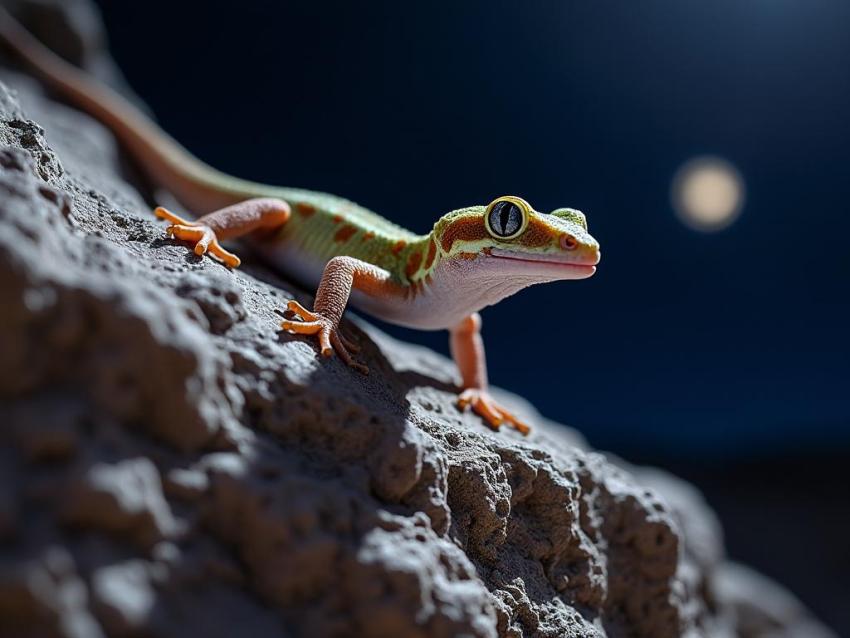
This desert gecko doesn’t just survive—it thrives.
Looking for real-life examples of adaptation? Start here with one of the three species of Xantusiidae.
14. Xenopus
Pronunciation: ZEN-o-pus
The Xenopus, also called the African clawed frog, is an aquatic species native to sub-Saharan Africa. These frogs don’t have tongues. Instead, they use their front limbs to push food into their mouths.
Why should your students care? Because Xenopus laevis is a superstar in biology labs, thanks to its incredible ability to regenerate lost limbs.
15. Xylocopa
Pronunciation: zy-lo-CO-pa
Xylocopa refers to large carpenter bees found around the world. These insects tunnel into wood to build nests, which gives them their name.
While they can damage wooden structures, don’t overlook their value. Xylocopa bees are essential pollinators. With over 500 species, they’re a great example of animals that support ecosystems.
Teaching Tips for the Classroom
Looking for ways to make the letter X stick? Try using fun facts to build engaging, cross-
curricular lessons.
Introduce the Xucaneb robber frog in geography, or explore the Xingu River’s wildlife during science. Better yet, turn tricky names into phonics practice. With words like xoloitzcuintle and xantusiidae, even your strongest readers will be challenged in the best way!
For grammar tie-ins, check out this grammar lesson using animals from the British Council.
Conclusion
From the ancient xoloitzcuintle to the mighty leopard-spotted bony fish, animals that start with the letter X open doors to discovery. This unique set of animal names turns a tricky letter into a teaching moment.
Want to make the lesson even more engaging?
Check out our interactive worksheets to help your students learn, practice, and remember.